
By Herman Hernandez September 28, 2025
The way people shop has evolved in recent years; transitioning from traditional brick-and-mortar stores to a dramatically growing e-commerce space. Physical shops still cater for face-to-face interaction and shopping, whilst online powers new horizons for global ability and round the clock sales. However, at its very core, both models have one thing in common: the payment system used by stores to securely accept credit and debit card payments. And this is where merchant accounts comes into play.
A merchant account acts as the bridge between customer payments and a business’s bank account, ensuring smooth and secure transactions. However, the type of business—whether online or in-person—affects how these accounts are set up, the fees involved, and the level of risk assessed by the payment processor. For instance, e-commerce businesses face higher scrutiny due to card-not-present transactions, while brick-and-mortar stores deal with different operational and compliance requirements.
This article explores E-commerce vs. Brick-and-Mortar businesses from the perspective of merchant accounts, highlighting key differences in setup, costs, risks, and features. By understanding these distinctions, business owners can make informed decisions to streamline their payment operations and ensure customer satisfaction.
What is a Merchant Account?
A merchant account is a specific kind of bank account that allows businesses to accept and process credit and debit card transactions from their customers. It acts as a mediator between both the customer bank and the business bank and makes sure that the transactions are securely approved and funds are captured and payment is finally deposited to the business bank account. Merchant accounts are essential for enabling card transactions.
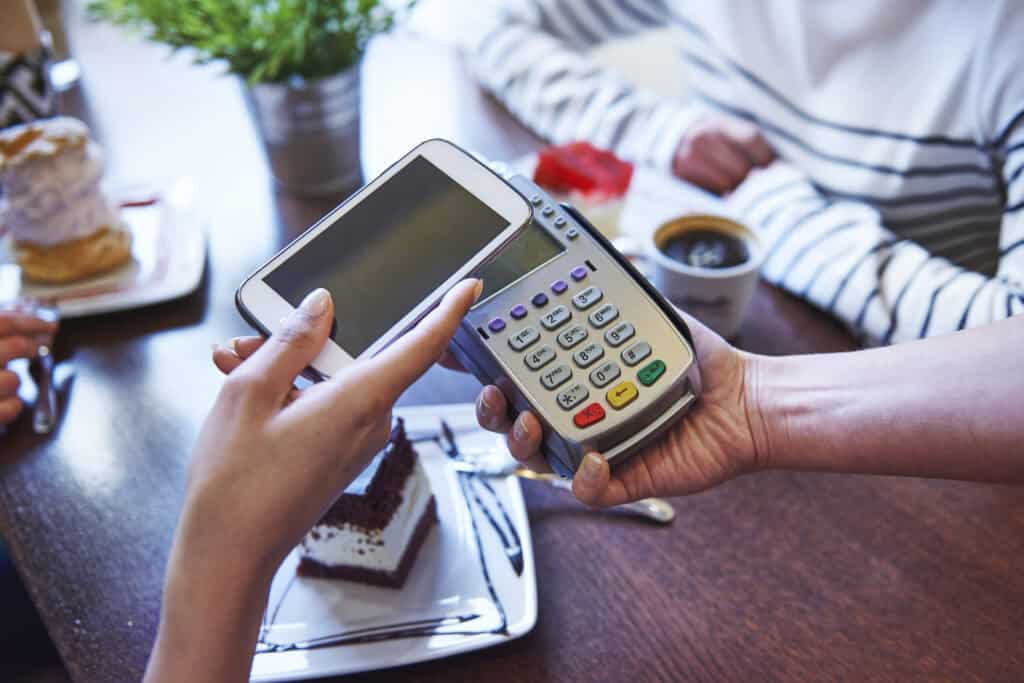
Under the payment ecosystem as a whole, the merchant account partners with payment gateways and payment processors in order to facilitate the processing of every transaction. The payment gateway is the technology that securely delivers payment data from the customer to the processor; the merchant account is the financial holding space where approved funds temporarily reside before being transferred to the business’s operating bank account.
Merchant accounts are used by both digital and retail, however each business type utilizes them differently. E-commerce businesses largely process card-not-present transactions, which have a greater fraud and chargeback risk. On the other hand, in-person terminals used in stores to conduct card-present transactions are considered lower risk. However, despite these differences, the merchant account remains the backbone of the tools business use to serve their customers, keep the cash flowing, and grow their businesses in the digital-first economy of today.
Payment Processing Basics
You should be familiar with the merchant account’s place in transaction flow. Each time a customer makes a purchase with a credit or debit card, the information travels through an array of steps: they enter their card details (through the payment gateway if it’s online, and terminal for in-store), which then goes to the network (Visa or Mastercard etc.), follows through with the processor, and finally deposits into your account. The proceeds are then deposited in the business’s operating bank account, typically in as little as one to three days.
One of the most important differences when it comes to processing payments is card-present transactions vs. card-not-present transactions. In a physical-store environment, the customer presents their card physically by swiping (or dipping or tapping), which makes it simpler to validate the identity of the person using it and diminishes the risk of fraud. But there is no card present in e-commerce transactions. While it makes shopping easier, it also complicates fraud, chargeback and leads to more regulation from merchant account providers.
Both will also have to meet stringent security and regulatory standards. PCI DSS compliance for data protection, encryption, and fraud prevention should be implemented to secure your customers’ sensitive information. For e-commerce, this is likely in the form of further security checks such as CVV check, Address Verification Systems (AVS) or 3D Secure authentication. Brick and mortar stores need to invest in secure terminals and EMV chip technology to stop counterfeit card use.
Merchant Accounts for Brick-and-Mortar Businesses
In the case of bricks and mortar retails stores and service providers, merchant accounts are designed to help facilitate card-present transactions (which have generally been regarded as less risky than online sales). These accounts are intended to work in conjunction with point-of-sale (POS) systems that allow businesses to quickly and safely process swiped, dipped, or tapped payments. Transactions are usually batched at the end of each business day and settled in one to three days into the business’s bank account.

There are prerequisites to opening a merchant account for brick-and-mortar business. These are having a physical presence, which is registered as a business location and holds a valid business license; in addition to the appropriate hardware such as pos terminals or card readers. Many PSPs will also ask for information on anticipated volume of transactions and average ticket size to check the risk balance and quote prices accordingly.
The benefits of having a brick-and-mortar merchant account are obvious. Because card-present payments involve physical verification (via chip, PIN, or tap), they carry lower fraud risks, resulting in lower transaction fees and fewer chargebacks compared to e-commerce. This makes them cost-effective for businesses with steady in-person traffic, such as restaurants, boutiques, and salons.
However, there are also challenges. Brick-and-mortar businesses need to invest in hardware POS, which can be expensive to buy and maintain. Mobility is also restricted with these accounts, with payments based around a checkout point unless mobile terminals are included. Finally, doing business with in-store sales only means that any reduction in foot-traffic or disruption to physical operations could adversely affect a company’s revenues.
Merchant Accounts for E-Commerce Businesses
For online businesses, merchant accounts are set up to enable card-not-present transactions, in which customers enter their payment information through a website or app instead of swiping or tapping a card. These accounts usually integrate with checkout flows and payment services, such that robust checkout experiences are necessary really. Some also have more advanced features, like recurring and subscription billing, which can be quite useful for businesses that sell memberships, SaaS products or subscription boxes.
Businesses must fulfill some requirements to be eligible for an e-commerce merchant account. These may include having a real website, an SSL certificate for payment security, and easily accessible policies on refunds, privacy, and support. Providers also need standard business verification, such as legal proof, tax information and occasionally financial statements to assess risk.
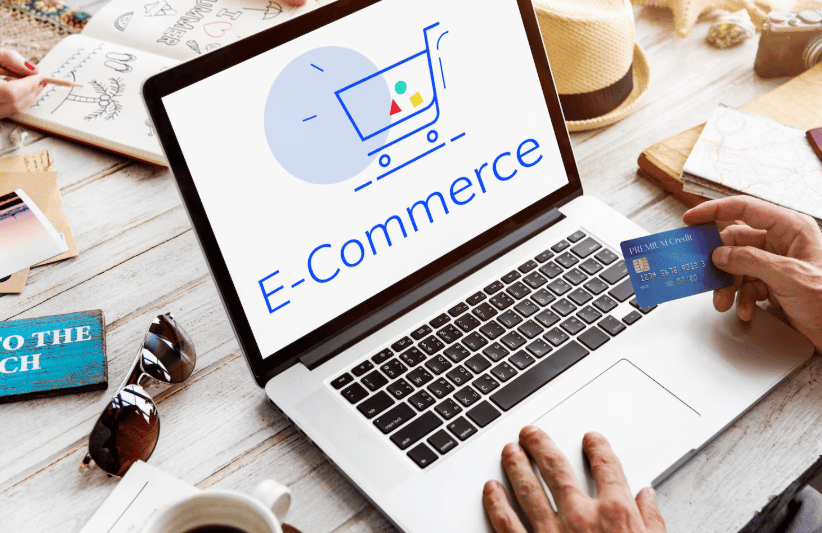
There are many benefits of having e-commerce merchant accounts. They provide businesses access to a global customer pool, the ability to be open 24 hours a day and can multiply sales beyond in-store capacity. This flexibility creates an opportunity for fast accelerated growth and new revenue sources.
However, these accounts also come with challenges. Because card-not-present payments are more vulnerable to fraud, e-commerce accounts face stricter underwriting processes, tighter fraud prevention requirements, and often higher processing fees compared to brick-and-mortar accounts. Chargebacks and disputes are also more common, requiring businesses to invest in security measures such as Address Verification Systems (AVS), CVV checks, and tokenization.
In other words, e-commerce merchant accounts offer flexibility and access to new customers, but they also require proactive compliance and risk management in order to be successful and profitable.
Key Differences: E-commerce vs. Brick-and-Mortar Merchant Accounts
When comparing E-commerce vs. Brick-and-Mortar merchant accounts, several critical differences emerge that directly impact costs, risk management, and compliance.
Risk Levels
For e-commerce businesses the risk exposure is even higher given that transactions are card-not-present, and as a result more prone to frauds, chargebacks and stolen card usage. Brick-and-mortar retailers instead run card-present transactions through EMV chip readers or contactless methods, which pose much lower fraud risk.
Fee Structures
Higher risk and more specialized technology requirements cause e-commerce merchants to typically pay higher interchange rates and gateway fees. They might also be on the hook for monthly fees for fraud prevention products. Most brick-and-mortar stores enjoy lower transaction rates, but will need to make an investment in POS terminals, EMV-enabled hardware and software licenses as added startup costs.
Chargeback Exposure
E-commerce businesses will worry more about chargebacks. It is so simple for a customer to dispute an online transaction, which can have financial implications in terms of loss and increased chargeback ratios. The ability to physically verify a purchase at the point of sale for brick-and-mortar merchants (via EMV chip technology, PIN, and signatures) has helped streamline verification processes and decrease chargebacks.
Compliance Needs
E-commerce accounts demand strong compliance and security features such as PCI DSS certification, SSL Certificates, tokenization and fraud safeguard systems such as Address Verification Service (AVS). Physical location accounts take most of their focus into EMV and POS security which were less detail oriented to manage.
Underwriting Scrutiny
Due to the increased risk profile, e-commerce merchants typically experience more rigorous underwriting, including thorough investigation into business verification, financial statements and fraud mitigation strategies before approval. Traditional retailers tend to undergo a less challenging approval process, because payment processors consider that swiping in person is being done under safer circumstances.
In conclusion, although both models need merchant accounts, online vs. retail businesses are very different when it comes to risk, pricing structures, compliance and approval of the application. When selecting the most appropriate account type, businesses need to carefully consider these differences and choose the payment solution that fits their sales channel and expansion plans.
Hardware and Software Considerations
The tools that you need to accept payment changes quite a bit whether you have a brick-and-mortar store or business ecommerce.
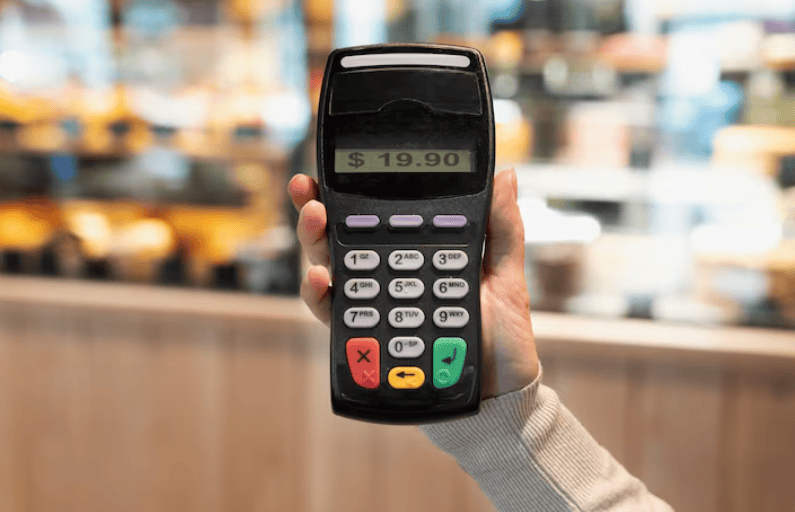
Primarily, hardware is what brick-and-mortar businesses must concern themselves with in the setup. There are POS terminals, EMV-capable chip readers, contactless payment systems (even a few mobile card readers for on-the-go sales) that merchants rely upon. These accessories allow for secure, card-present transactions and meet EMV standards.
By contrast, e-commerce is almost purely a software infrastructure. E-commerce websites need their own checkout, a shopping cart integration and APIs access that interface with payment gateways and processors. For companies that provide a subscription model or recurring payments, they will need to install specific plugins and automation software as well.
Hybrid or omnichannel models, which require both in-person and online payment capabilities, are becoming more common among businesses. For example, a retail clothing store may have in-store POS systems, and simultaneously allow online purchasing and check-out via an online shopping cart that uses an online payment system gateway. It demands integration between software and hardware systems to consolidate the reporting, inventory, and customer payment history of every sales channel.
Ultimately, hardware-based or software-focused, the optimal set up is going to depend on a merchant’s business model, sales volume and customer preferences.
Conclusion
The best merchant account for you will vary based on your business type, sales volume, and risk tolerance. A lot of businesses today have hybrid setups that need card-present and card-not-present solutions. Learning more about the differences between these merchant accounts will help your business process payments to a higher standard, reduce risk, and improve customer experience. Working with a trusted payment processor means this is brought into compliance and these merchants can work safely and smoothly across all sales channels.
FAQs
1. What is the main difference between e-commerce and brick-and-mortar merchant accounts?
E-commerce accounts handle card-not-present transactions online, requiring gateways and stricter fraud prevention, while brick-and-mortar accounts focus on card-present payments through POS systems.
2. Are processing fees higher for online or in-store sales?
Typically, e-commerce transactions incur higher fees due to increased risk and gateway costs, whereas in-store transactions generally have lower rates but include hardware expenses.
3. Do e-commerce merchants need a payment gateway?
Yes, a payment gateway is essential for online sales to securely transmit card information, authorize payments, and integrate with the merchant account.
4. Can a business operate both online and in-store payments?
Absolutely. Many hybrid or omnichannel businesses use integrated solutions that combine POS terminals for in-store transactions with online gateways for e-commerce.
5. What security measures are required for each model?
E-commerce requires PCI DSS compliance, tokenization, 3D Secure, AVS, and CVV verification, while brick-and-mortar focuses on EMV chip compliance, POS encryption, and secure store-level networks.